Grain Valley, MO
Warehouse and Industrial Concrete Floor Contractor in Grain Valley, MO
Concrete warehouse floors and industrial operating surfaces for Grain Valley and eastern Kansas City facilities — durable, flat pours for warehouse operations, equipment traffic, forklift use, and commercial spaces along the I-70 logistics corridor.
Request a Free Estimate
We respond within one business day.
Quick Answer
A warehouse concrete floor is poured at 6 inches for standard forklift and pallet jack loads, deeper for heavy equipment or high-density racking. We document flatness measurements during installation and set control joints appropriate to the bay spacing and load pattern. Fiber reinforcement or rebar is specified based on the application.
The Result
A floor that supports your operations.
Warehouse and industrial concrete floors operate under conditions that most concrete never sees — forklift traffic, heavy pallet loads, chemical exposure, and repeated impact. Getting the spec right for the actual operating conditions is what separates a floor that performs for decades from one that needs costly repair after a few years.
What's Included
What this service covers
- New warehouse and industrial floor installation
- Equipment slab and machinery pad pours
- Floor replacement in commercial facilities
- Distribution and logistics facility floors
- Light industrial manufacturing floor pours
- Cold storage and refrigerated warehouse floors
- Commercial operating space slab installation
Common Situations
When people call us for this work
- New warehouse or industrial construction requiring floor concrete
- Existing floor deteriorating under operational loads
- Equipment pad installation for new machinery
- Facility expansion requiring additional concrete floor area
- Floor replacement in an aging commercial facility
- Upgrading a floor spec for heavier operations
Technical Standards
What matters for a long-lasting pour.
Not all concrete work is done to the same standard. Here's what we pay attention to on every project of this type.
Floor flatness (F-numbers)
Commercial and industrial floors have flatness requirements that residential slabs don't. FF (floor flatness) and FL (floor levelness) numbers specify tolerance requirements for forklift operations, racking systems, and automated equipment. We discuss flatness requirements before the pour.
Concrete mix for industrial use
Industrial floors typically require 4,000-5,000 PSI with fiber reinforcement or rebar. Chemical-resistant or hardener-treated surfaces are common for applications with abrasion or chemical exposure.
Joint layout relative to operations
Industrial floor joint layout needs to account for planned operations. Forklift traffic across contraction joints can damage joints over time — joint placement relative to traffic aisles matters significantly.
Vapor barrier
Industrial floors over grade typically require a vapor barrier beneath the slab to control moisture migration. Cold storage, food processing, and other sensitive applications have specific vapor barrier requirements.
Surface hardener and sealer
Industrial floors benefit from surface hardener and sealer applications to increase abrasion resistance and reduce dust. We discuss surface treatment options appropriate to the facility use.
Base preparation for industrial loads
Industrial floors carry significant loads that amplify the effects of poor base preparation. Subgrade compaction and gravel base depth need to be specified for the actual loads the floor will carry.
Eastern Kansas City
Local conditions and what they mean for this work.
The I-70 corridor in eastern Kansas City has seen significant logistics and industrial growth, with new warehouse and distribution facilities in Grain Valley, Blue Springs, and surrounding communities. These facilities need floor pours that match the performance requirements of modern logistics operations — flatness tolerances, joint layout that works with racking systems, and surface treatments appropriate for forklift traffic. We're familiar with the construction environment along this corridor.
What to Expect
From first call to finished concrete.
- 1
Request Your Estimate
Call or submit the form on this page. We'll discuss the project briefly to understand the scope and confirm we're the right fit before scheduling a site visit.
- 2
Site Review
We visit the site, look at the existing conditions, check the base and drainage, and take measurements. This is where we identify anything that affects the plan or the price.
- 3
Written Scope
You get a specific, written scope — not a ballpark. We explain what's included, what materials we're using, and what could affect the final cost.
- 4
Prep, Form, Pour, and Finish
Site preparation, formwork, the pour, finishing to the specified texture, and control joint cutting where required. Permits pulled in advance if needed.
- 5
Final Walkthrough
We walk the completed project with you before we're done. Curing time is respected — we'll tell you exactly when the concrete is ready for full use.
Project Photos
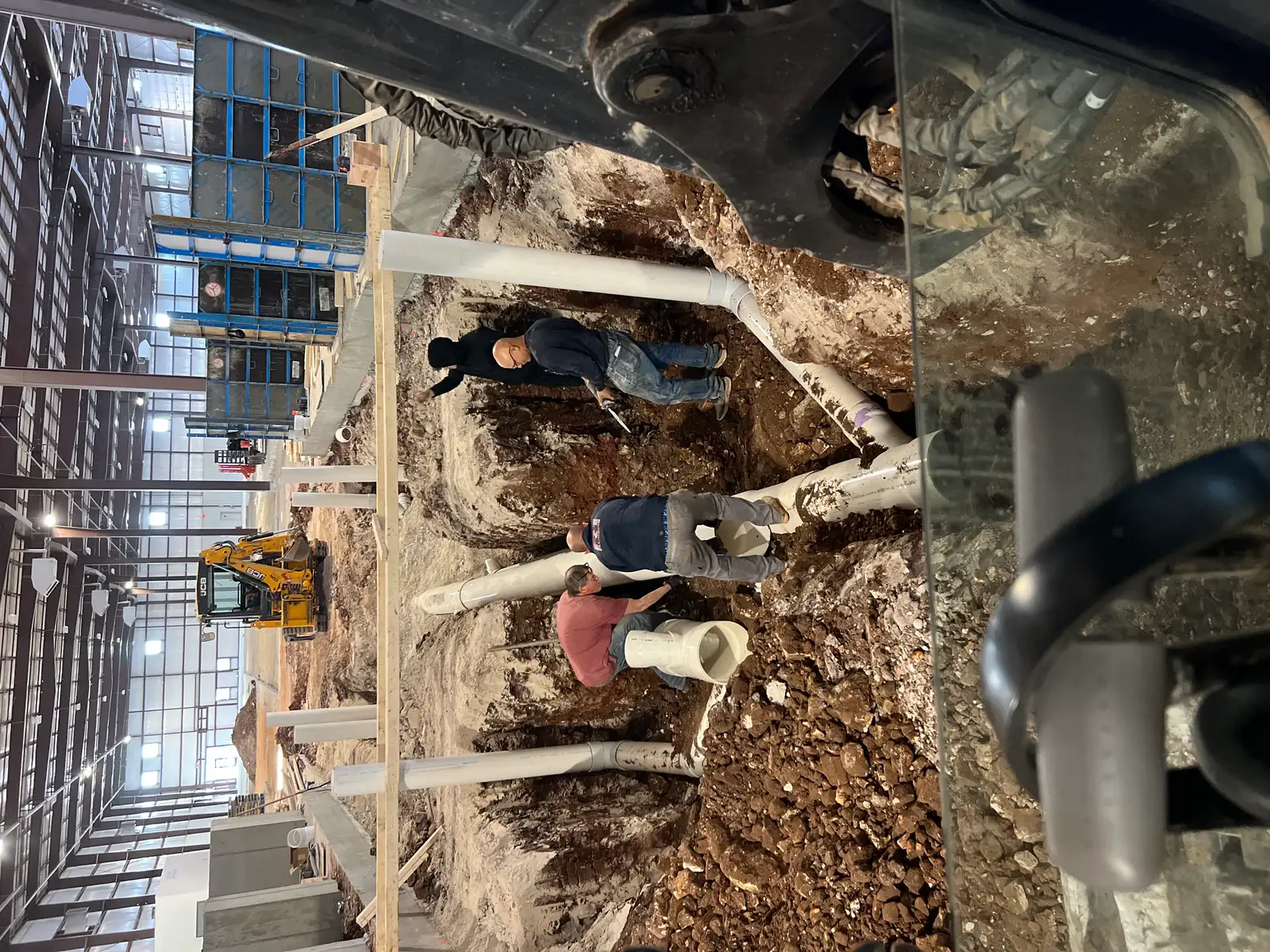
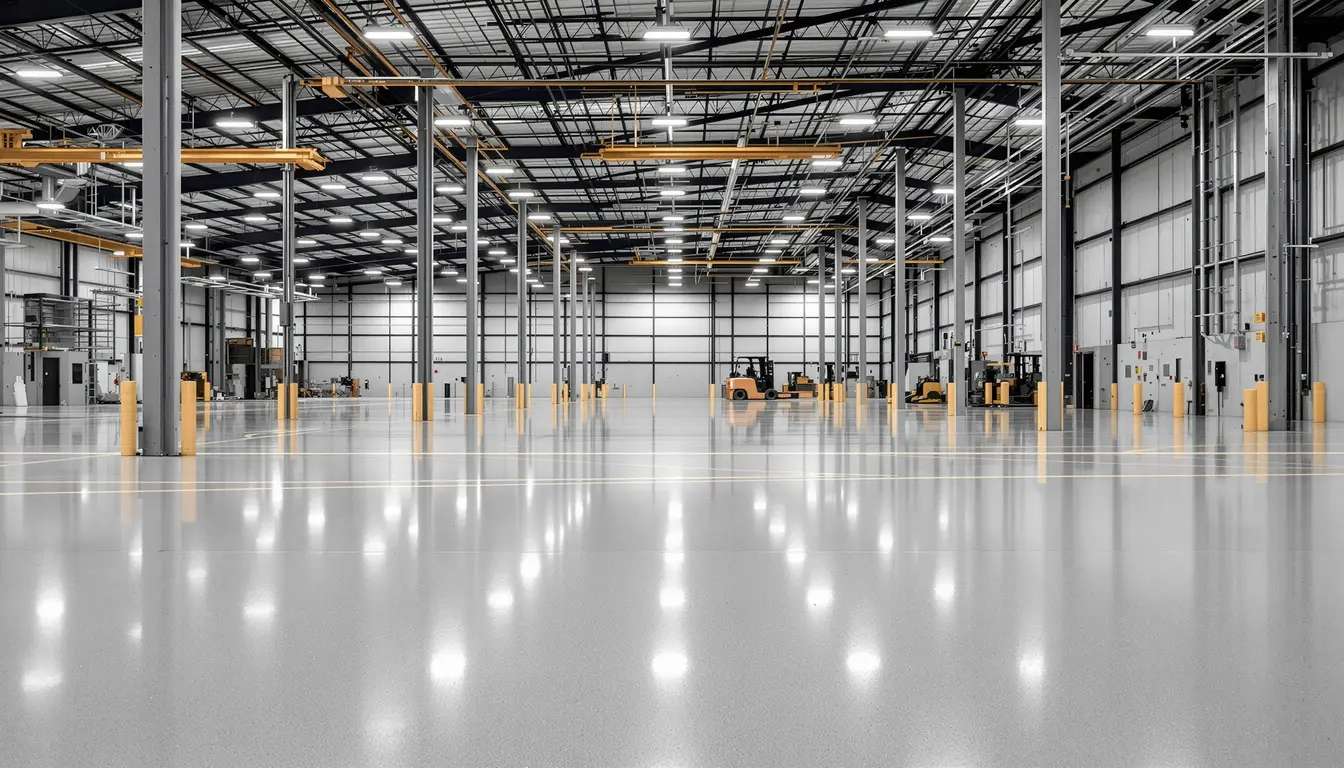
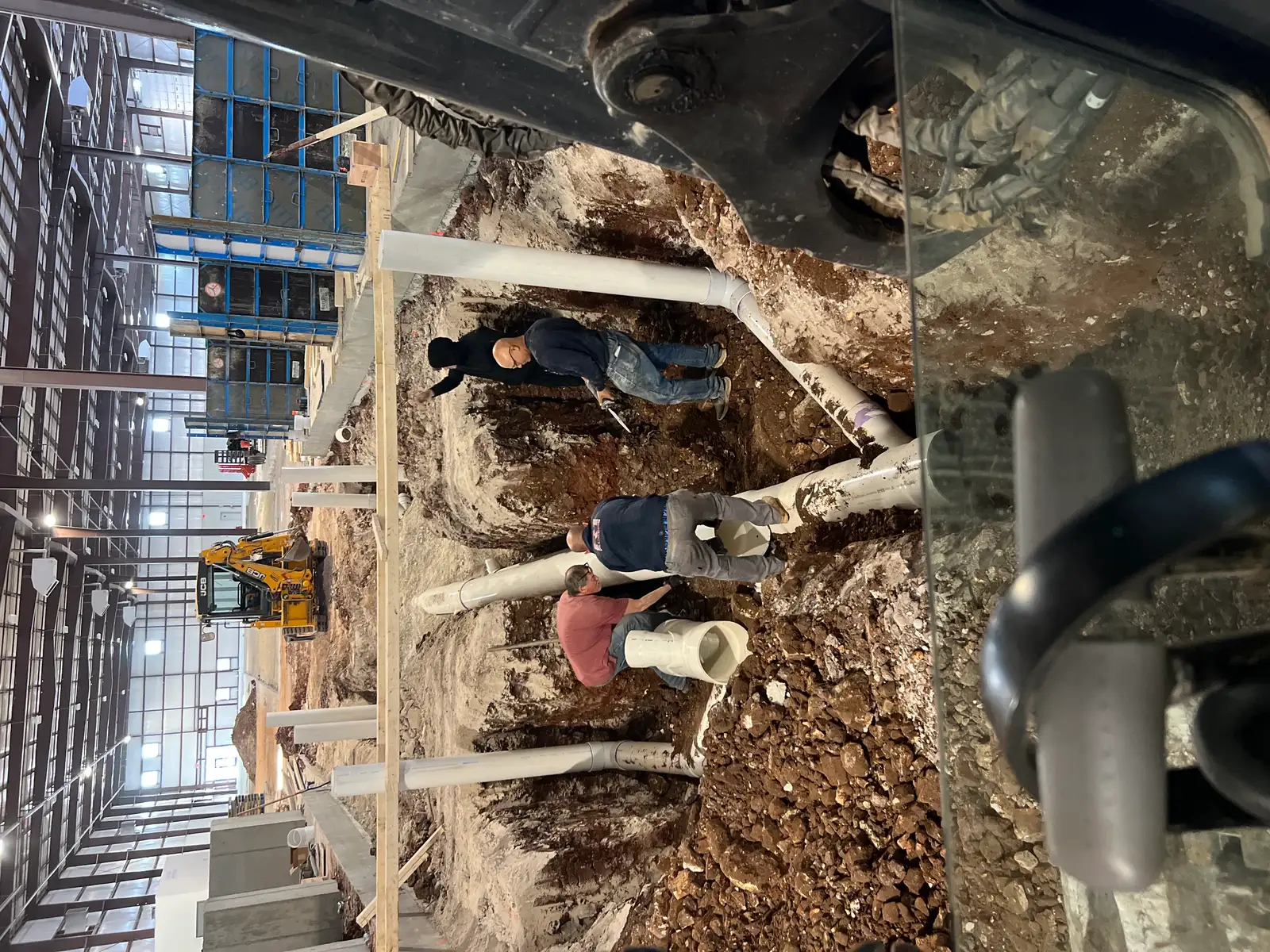
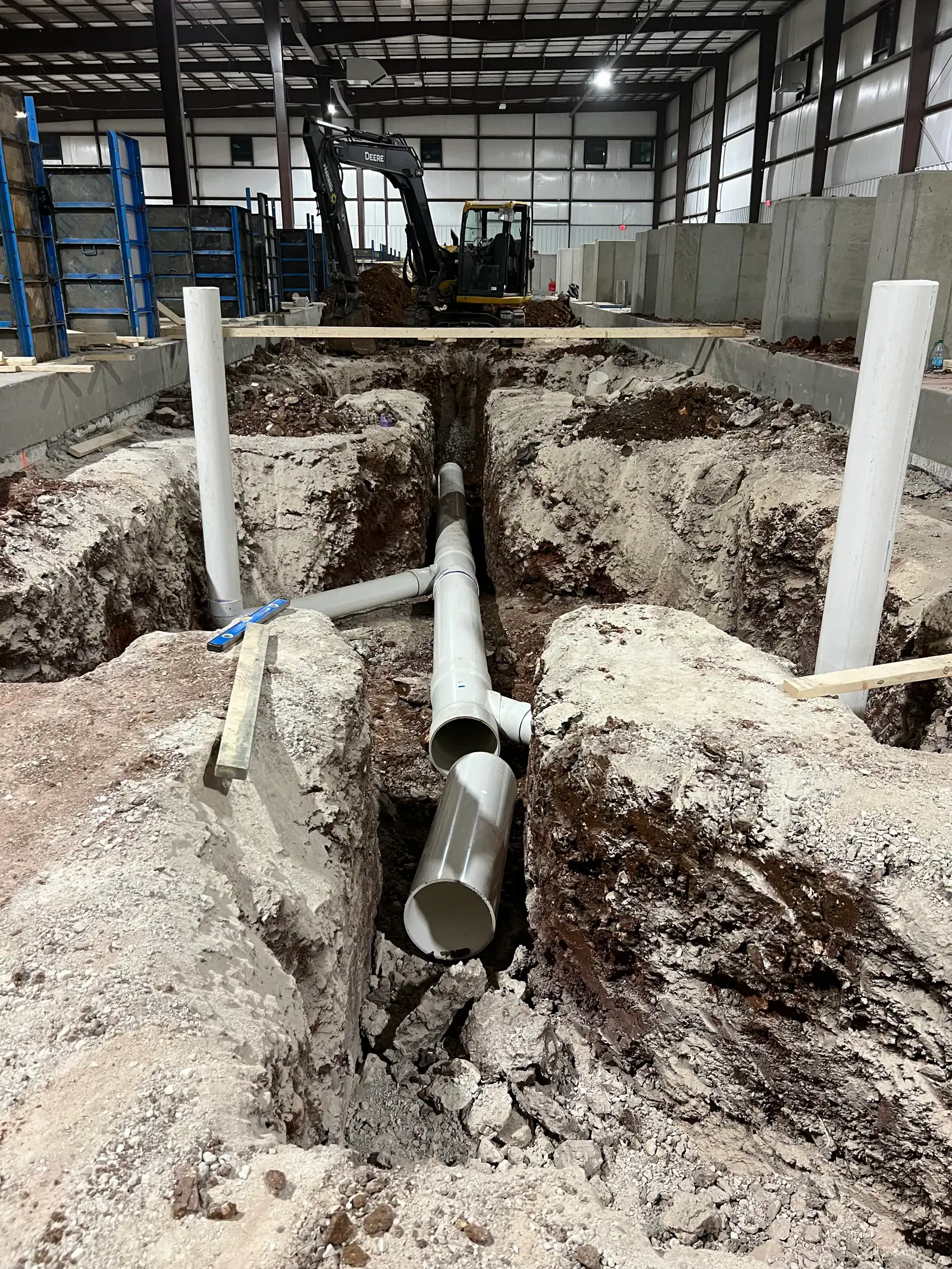
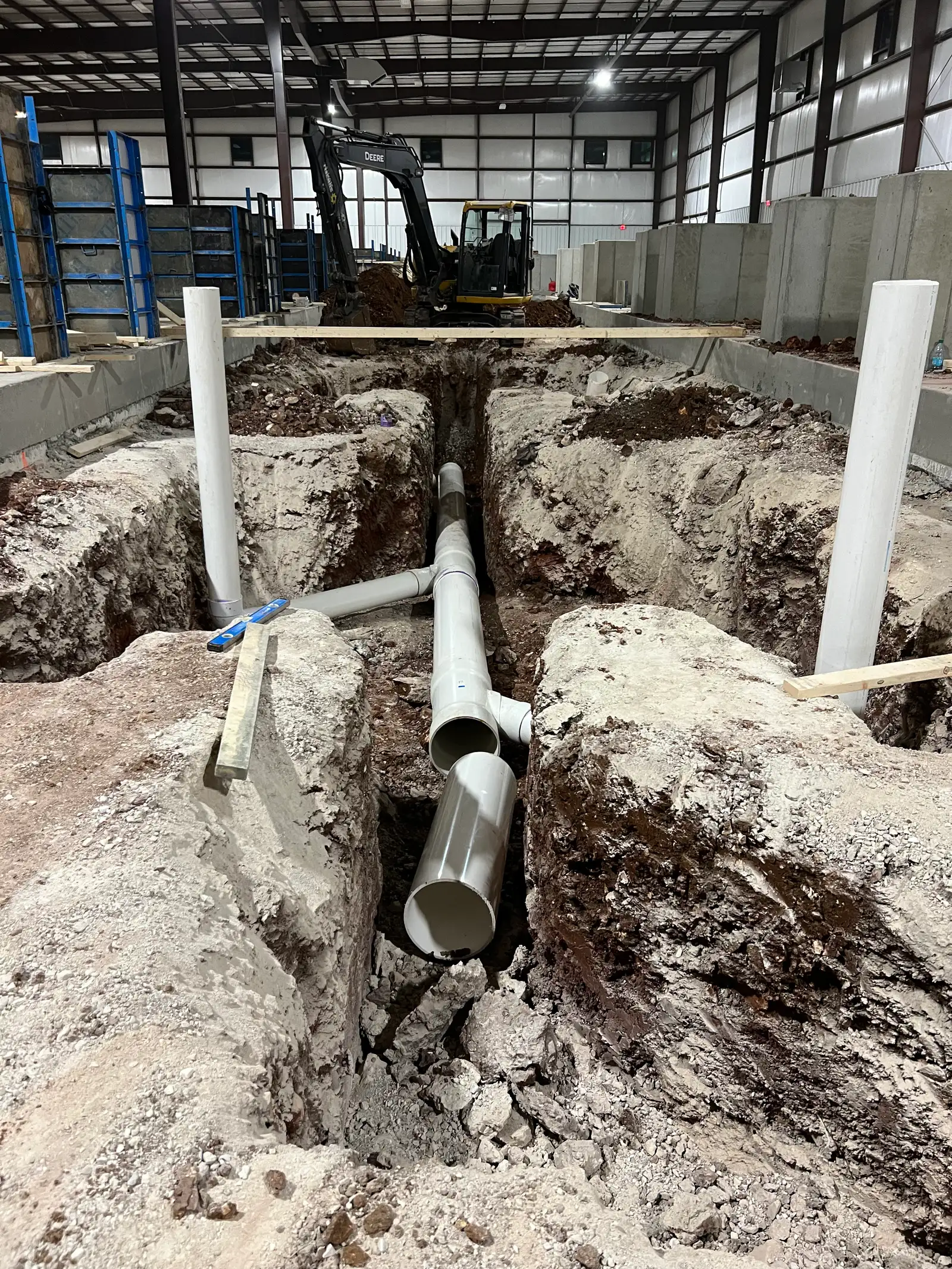
Warehouse & Industrial Floors work in eastern Kansas City
Common Questions
Questions about Warehouse & Industrial Floors
What concrete PSI is required for a warehouse floor?
Warehouse and industrial floors typically spec at 4,000-5,000 PSI. High-load applications, heavy forklift traffic, or chemical exposure may require higher-strength concrete or special surface treatments. The spec depends on the actual operating conditions.
What is a floor flatness requirement?
Floor flatness (FF) and floor levelness (FL) are industry-standard measurements of how flat and level a floor is. For standard warehouse operations, FF 50/FL 35 is a common specification. Forklifts, racking systems, and automated equipment have specific tolerance requirements. We discuss these with the facility operator before the pour.
Do warehouse floors need rebar or fiber reinforcement?
Industrial floors typically use some combination of rebar, post-tension cables, or fiber reinforcement depending on the load requirements and engineering spec. The reinforcement type and layout is specified by the project engineering or our assessment of the operating loads.
How long does a large warehouse floor pour take?
Large warehouse floor pours are often split into sections over multiple days or weeks, depending on the facility size. The pour schedule needs to coordinate with construction progress and may need to work around existing operations.
Can an existing warehouse floor be repaired or does it need full replacement?
Existing warehouse floors can often be repaired where damage is localized — crack injection, joint repair, surface grinding for trip hazards. Full replacement is the right call when the floor has settled, the base has failed, or the damage is widespread enough that repair costs exceed replacement value.
Related Work
Related concrete services
Foundations & Sitework
Foundation slabs, grade beams, and commercial sitework for construction and expansion projects along the I-70 corridor. Eastern Jackson County's clay soil requires careful subgrade preparation — improper compaction can cause differential settlement that damages the entire structure. We work with builders, developers, and property owners on both new construction and expansion scopes.
Details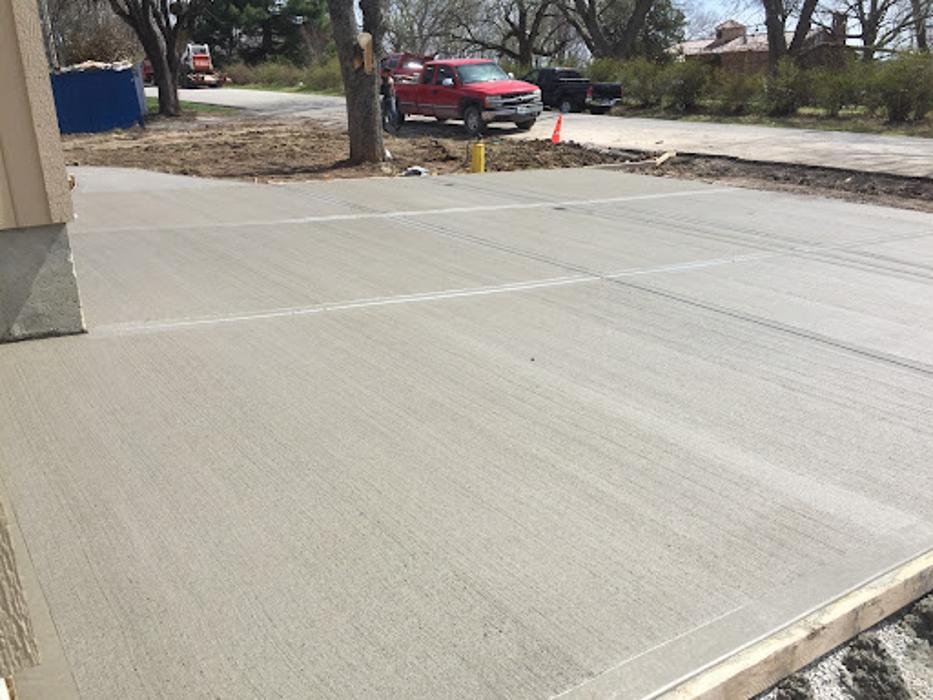
Parking Lots
Commercial parking lot concrete for businesses along I-70 and across eastern Jackson County. Concrete parking lots outlast asphalt in eastern KC's freeze-thaw climate — typically 30–50 years versus 10–15 for asphalt — when specced and installed correctly. Full scope from demolition through final surface and joint sealing.
Details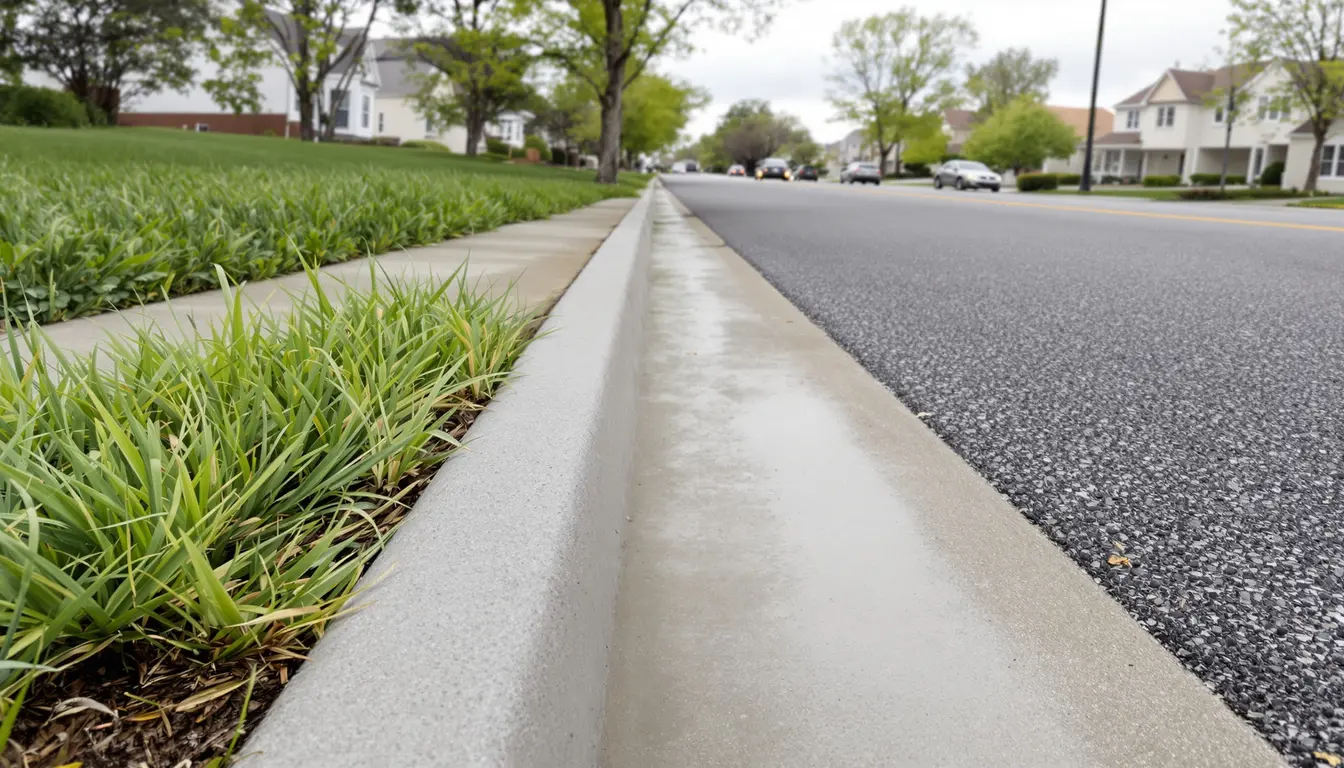
Curbs & Gutters
Curbs, gutters, drainage edges, and parking lot boundaries for commercial properties and site development along the I-70 corridor. Curb and gutter work on clay subgrade requires attention to drainage — poor slope or inadequate subgrade compaction leads to cracking and undermining at the curb base. Formed or slipform installation depending on scope.
Details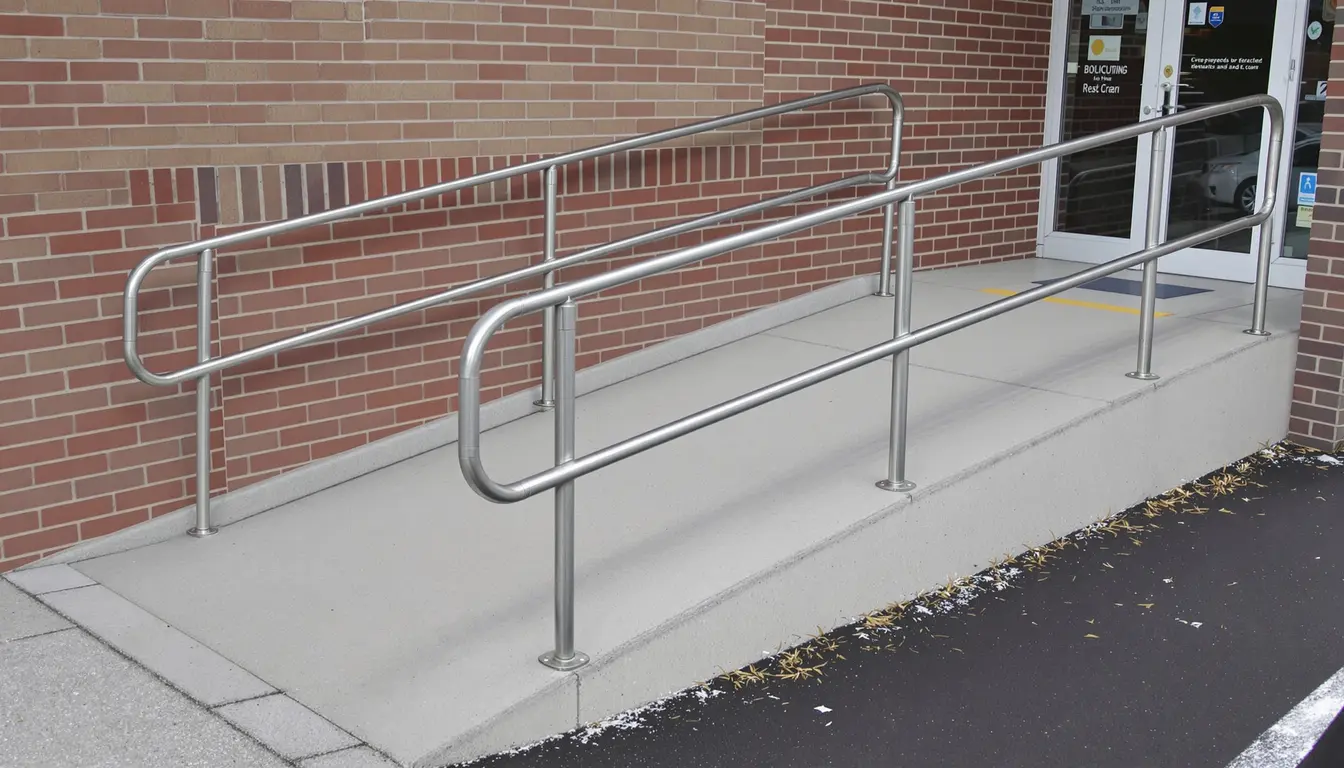
ADA Concrete
ADA-compliant ramps, accessible walks, curb cuts, and accessible routes for commercial properties in eastern Jackson County. ADA concrete requires specific slope tolerances — 2% maximum cross-slope, 8.33% maximum running slope — detectable warning surfaces at curb transitions, and smooth texture, each verified at installation. We document slope measurements on every ADA project.
DetailsFree estimate for Warehouse & Industrial Floors in Grain Valley.
We visit the site, review the scope, and give you a written estimate at no cost. No commitment required before you see the number.